 TIS 131 450
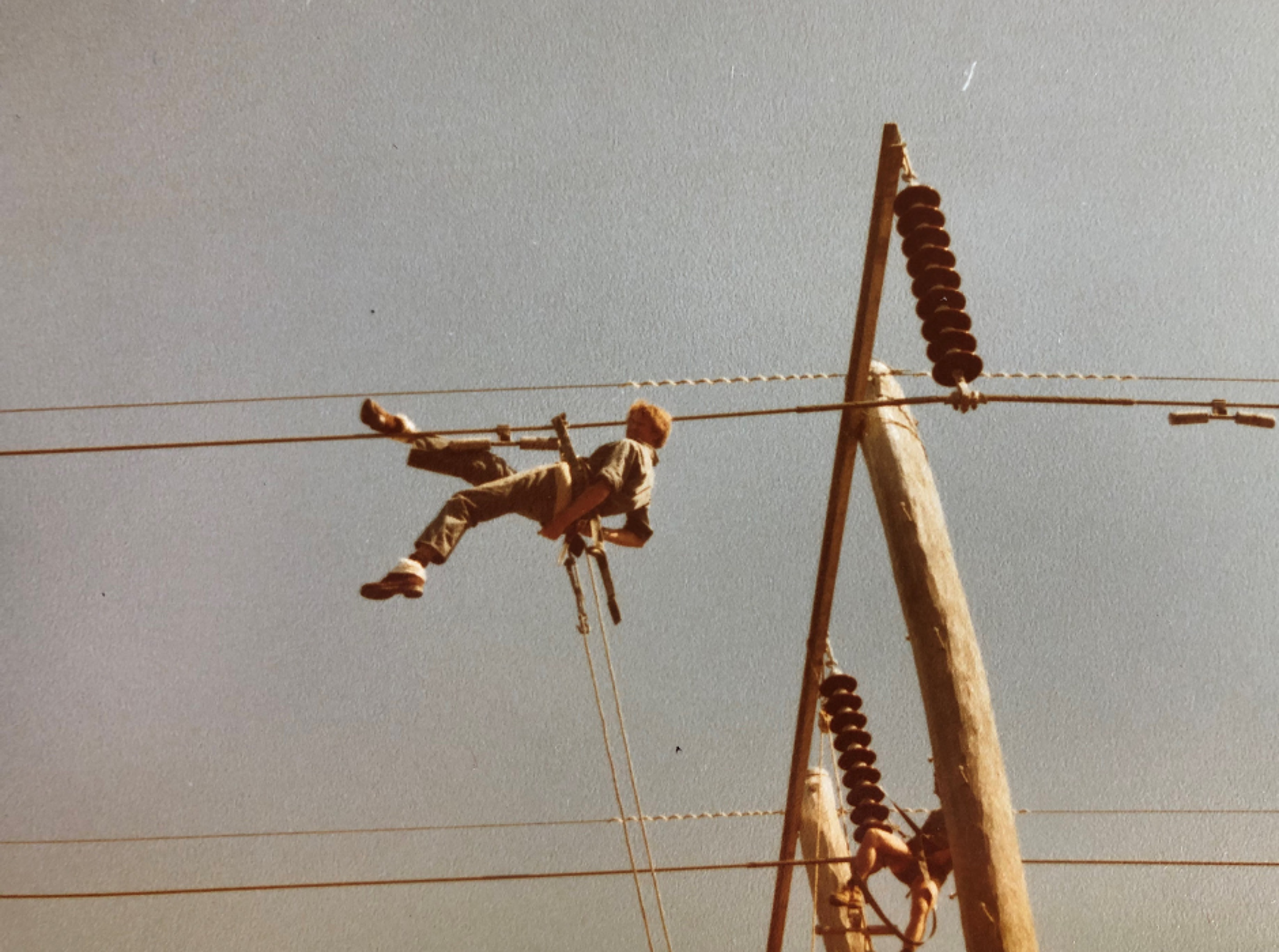
In June 1980, the Australian energy landscape looked very different. Coal dominated New South Wales’ power mix, and the term “clean energy” hadn’t yet entered the national conversation. That same year, a young technician named Andrew Brice walked through the doors of Transgrid—then part of Electricity Commission of NSW—ready to begin a journey that would span nearly half a century across the transmission network.
Forty-five years later, Andrew is still on the job.
From cooling units to kilovolts
“I came from a small company doing heating and air conditioning,” Andrew recalls. “So joining Transgrid was a big adjustment. It felt a lot more structured, and the travel was a real change for me—I wasn’t much of a traveller back then.”
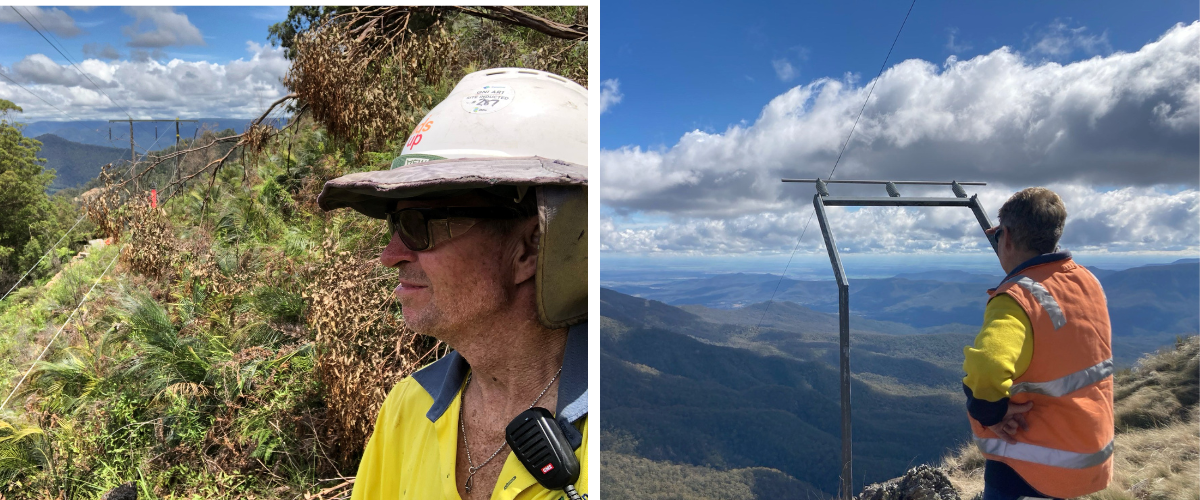
Starting as a General Labourer, Andrew steadily progressed through roles including Line Grades 1 and 2, Leading Hand, Field Coordinator, Foreman, Team Leader and Works Leader. Today, he’s back on the crew with a Lines team, bringing his wealth of experience to everyday transmission line maintenance.
Skills, safety, and a strong track record
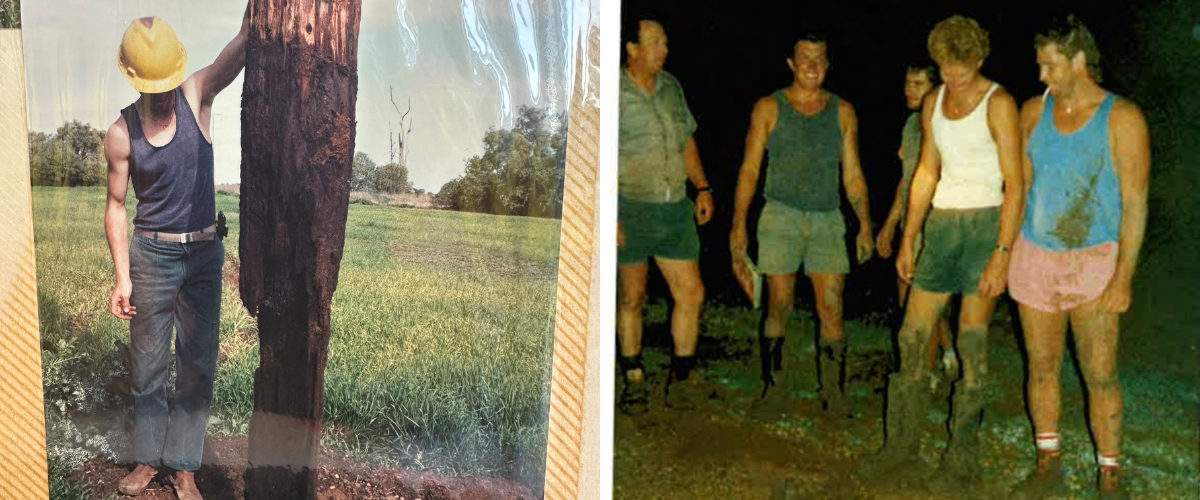
Andrew’s career has taken him to the far reaches of the network. Upgrading critical transmission lines, managing emergency repairs, and even competing in First Aid competitions. “For twelve years, I won the First Aid competition as part of the safety competitions we used to have,” he says proudly.
His technical expertise spans substations, voltage transformers, tree lopping on easements, and even explosives work. “Blasting guy holes and tower footings was probably one of the more dangerous jobs. We held multiple tickets because of the wide range of work we did.”
Behind the scenes of major transmission projects
One of Andrew’s most memorable projects was the Queensland–New South Wales Interconnector (QNI). “I spent nine months as an inspector on that project. It was one of the biggest jobs I’ve been on. The work stretched from Texas in Queensland to Armidale in NSW.”
Other highlights include upgrading transmission infrastructure from Grafton to Lismore and managing live line work in South Australia. He also vividly remembers emergency repair work in Tamworth after a severe storm caused Line 330 to collapse. “It took four days to get it back online. We even ended up on the news.”
A front-row seat to an industry in transition
The evolution of Australia’s energy industry is something Andrew has witnessed firsthand. “Everything’s changed. Back then, it was all paperwork and manual processes. Now, we’ve got digital risk assessments and online systems. Equipment’s more advanced, and we travel further than ever.”
When asked what excites him most about the future of energy, Andrew is optimistic: “With new technology and renewables coming into the grid, the transmission network will only grow in importance. It’s about building a reliable power system that supports the future of clean energy.”
Lessons from a lifetime on the lines
Reflecting on his time with Transgrid, Andrew credits strong teamwork, variety, and personal drive for his longevity.
“I’m not one to sit around—I like to stay busy and see a job done right. What I’ve always loved is the camaraderie. When an emergency hits, everyone pulls together. That’s when you see the best in people.”
For anyone starting a career in the energy industry, Andrew has simple but powerful advice:
“There’s so much opportunity here. Don’t be afraid to say yes to things you’re not sure about—you might regret it if you don’t.”
Andrew’s story is more than a milestone; it’s a testament to the vital role transmission workers play in keeping Australia powered, and the value of dedication in an industry that's rapidly transforming to meet the demands of a clean energy future.
Interested in shaping the future of clean energy? ⚡
Explore career opportunities with us and be part of the change: Careers